




Workforce Insights Logo Workforce Insights Contact Us
Contact Us

Labour Market Dynamics in Malaysia

Understanding workforce participation, employment trends, graduate unemployment, minimum wage policies, and foreign worker dependency across Malaysia’s evolving economy.

Malaysia’s labour market faces complex challenges. We’re examining the real data on who’s working, why some graduates struggle to find jobs, how minimum wage policies affect hiring, and what role foreign workers play in our workforce. Get informed with current analysis and insights.

Professional workplace scene with people working at desks with laptops and documents

Featured Articles

Explore current research and analysis on Malaysia’s employment landscape.

Graduation ceremony scene with graduates in academic robes holding diplomas

Graduate Unemployment: Why New Degree Holders Struggle to Find Work

Fresh graduates face mounting challenges entering the job market. We examine the gap between university education and employer expectations, skills mismatches, and what’s actually happening in hiring right now.

12 min Intermediate March 2026
Read More
Factory or warehouse workers wearing safety equipment at their workstations

Minimum Wage Policy Effects: How Wage Floors Impact Malaysian Hiring

Malaysia’s minimum wage policies shape hiring decisions across sectors. We analyze real impacts on small businesses, wage growth patterns, and whether wage floors help or hurt employment opportunities.

10 min Intermediate March 2026
Read More
Diverse group of professionals in business casual attire standing together in office

Workforce Participation Rates: Who’s Actually Working in Malaysia?

Labour force participation tells the real story about Malaysia’s workforce. Gender gaps, age demographics, and regional differences reveal who’s engaged in the job market and why participation varies across groups.

11 min Beginner March 2026
Read More
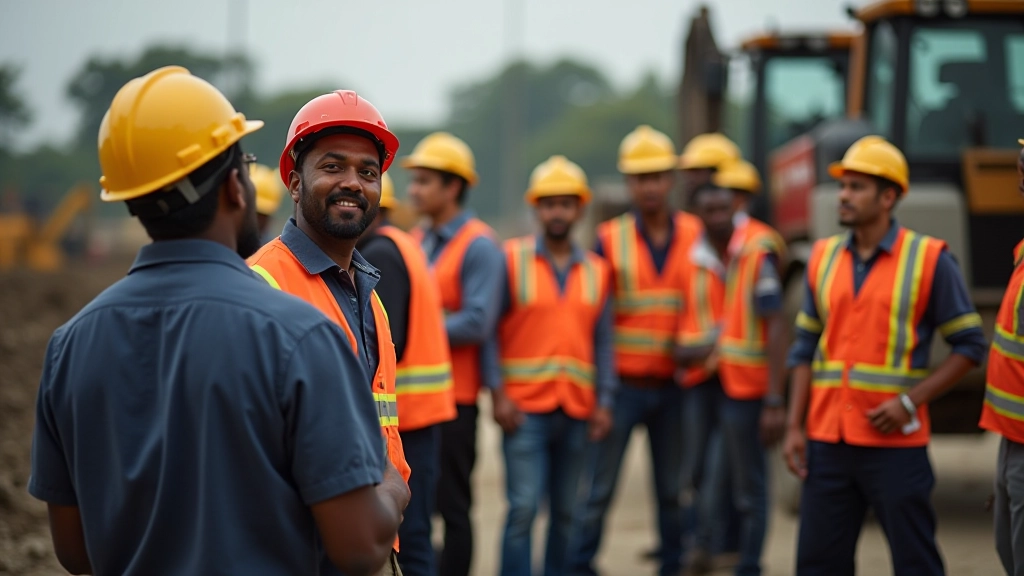
Construction or industrial workers from different nationalities working together on site

Foreign Worker Dependency: Malaysia’s Reliance on Migrant Labour

Foreign workers fill critical roles across Malaysian industries. We explore dependency patterns, sectors most reliant on migrant labour, economic impacts, and policy implications of this workforce reality.

13 min Advanced March 2026
Read More

Key Employment Trends to Know

1

Skills Gap Challenge

Many employers report graduates lack practical skills needed for modern roles. Technical expertise, soft skills, and industry-specific knowledge don’t always match what companies actually need.

2

Sector-Specific Trends

Different industries show vastly different employment patterns. Manufacturing, services, technology, and agriculture each face unique labour challenges and opportunities in Malaysia’s diverse economy.

3

Regional Variations

Employment rates vary significantly across Malaysian states. Urban centres show different patterns than rural areas, affecting opportunity availability and wage levels by location.

4

Youth Employment Crisis

Young Malaysians face higher unemployment rates than other age groups. First-job hunting, career transition challenges, and limited entry-level positions create barriers for workers starting out.

Why This Matters to You

Malaysia’s labour market doesn’t exist in isolation. It affects job seekers, employers, policymakers, and families. Understanding these dynamics helps you make informed decisions about education, career planning, and economic policy.

Whether you’re a student choosing a field of study, a job seeker navigating competition, or someone interested in economic policy, the trends we’re exploring here shape real opportunities. Graduate unemployment isn’t just a statistic—it’s about people struggling to launch careers. Minimum wage policies don’t just affect business costs; they influence whether people can afford to live. Foreign worker dependency reveals where Malaysia’s economy needs labour and where local workers face competition.

This content provides the context you need to understand what’s happening in Malaysian employment. We’re looking at participation rates to see who’s working, examining graduate challenges to understand education-employment mismatches, analyzing wage policies to see their real effects, and studying foreign worker patterns to grasp economic dependencies. These aren’t abstract concepts—they’re forces shaping Malaysia’s workforce and economy right now.